
iRobot Stock (IRBT) : History, Insights & Future in Home Robotics
João and Rodrigo
12/15/2025
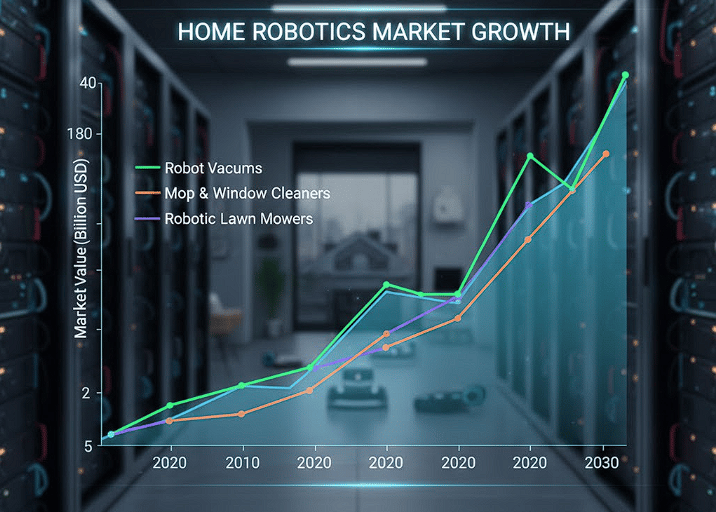
In the minds of millions, the name iRobot is synonymous with convenience. Since the early 2000s, the company’s flagship product, the Roomba, has defined the category of automated home cleaning. For investors, however, iRobot stock (IRBT) represents more than just a successful gadget; it’s a high-stakes play in the rapidly evolving home robotics investment sector and the battle for dominance in the smart home market.
The current market sentiment around IRBT is intense, driven primarily by external factors, making it a critical stock to analyze. To understand where IRBT is headed, we must first appreciate where it came from—a journey that began far from the consumer market.
This comprehensive guide delves into the fascinating history of iRobot, tracks its financial trajectory, analyzes the current market dynamics (including major acquisition attempts), and provides a balanced thesis for the future of home robotics investment in 2025 and beyond.
The Origin Story: From MIT Labs to Battlefield Robots
The narrative of iRobot is one of continuous reinvention, starting not in retail stores, but in academic and military settings.
The MIT Roots (1990): Founded by Rodney Brooks, Colin Angle, and Helen Greiner, iRobot spun out of the Massachusetts Institute of Technology’s Artificial Intelligence Lab. Their initial vision was to create practical robots that could interact with the real world.
Early Military Success: Before the Roomba, iRobot gained critical acclaim for its military and defense contracting work. Their PackBot, a rugged, mobile robot, became an essential tool for troops in hazardous environments, particularly for bomb disposal and reconnaissance. This early work established the company’s deep expertise in autonomous navigation and physical robotics.
The Pivot to Consumer (2002): The launch of the Roomba in 2002 marked a monumental pivot. The goal was simple: bring advanced robotic technology into the everyday home. While met with skepticism initially, the product quickly found a foothold, fundamentally changing consumer expectations for home appliances.
From Roomba to the Smart Home Market
The success of the Roomba cemented iRobot as a leader in home robotics. They expanded their portfolio with products like the Braava (mopping) and advanced mapping technology, collecting valuable data on home layouts.
Data as a Differentiator: The core value proposition of iRobot extends beyond cleaning; it’s the spatial data collected by the robots, which is invaluable for the entire smart home market. This data allows the company to integrate with other devices (like Amazon Alexa or Google Home) and provide tailored automation services.
Competition Intensifies: As the market grew, competition from companies like SharkNinja, Ecovacs, and others increased, pressuring IRBT’s market share and margins. This competitive pressure made the need for strategic alliances or acquisitions clear.
The Elephant in the Room: The Amazon Acquisition Saga
The most significant factor currently impacting the iRobot stock (IRBT) price and future is the ongoing attempt by Amazon to acquire the company.
The Proposed Deal: Amazon announced a bid to acquire iRobot for a significant premium, valuing the company at over a billion dollars.
The Antitrust Hurdle: The deal has faced intense scrutiny from global regulators, particularly in the European Union and the United States, over concerns regarding market dominance. Regulators worry that allowing Amazon to control the extensive home mapping data collected by the Roomba could give the tech giant an unfair advantage in the already competitive smart home market and potentially stifle competition.
The Stock Volatility: The regulatory uncertainty has led to high volatility in the iRobot stock. The price often moves sharply based on rumors or official statements from antitrust bodies. For an investor, the outcome of this acquisition is the single most important variable in the short-term home robotics investment thesis.

Investment Thesis: Analyzing IRBT Stock in 2025
Regardless of the acquisition outcome, the fundamental investment thesis for iRobot stock rests on the continued growth of automation.
A. Bull Case (Acquisition Fails)
If the Amazon acquisition is blocked, the bull case relies on iRobot's ability to:
Reassert Innovation: Launch next-generation robot vacuums with enhanced AI and cheaper production costs to fend off competitors.
Monetize Data: Strategically partner with other smart home providers to monetize the valuable spatial data collected by its fleet of Roomba devices.
Operational Efficiency: Drastically reduce operating costs and improve profit margins under independent management.
B. Bear Case (Acquisition Fails)
The bear case sees IRBT returning to the pre-acquisition valuation, facing heavy competition and persistent margin pressure. Without the large capital infusion from Amazon, the company may struggle to invest enough in R&D to maintain its technological lead, making it a challenging home robotics investment.


C. The M&A Arbitrage Play
Many current investors are engaging in M&A arbitrage, buying the IRBT stock below the proposed acquisition price, betting that the deal will eventually close, guaranteeing a return on the difference. This strategy is high-risk, as a final regulatory block could send the stock price plummeting.
Positioning iRobot in Your Portfolio
For investors interested in investing in AI and consumer technology, iRobot stock presents a unique situation:
High-Risk, High-Reward: The short-term risk is tied almost entirely to the Amazon regulatory decision.
Long-Term Sector Play: The broader home robotics investment theme is robust. If the acquisition fails, IRBT might become an attractive target for other tech giants looking to enter the smart home market.
To balance this risk, consider diversifying this thematic bet with broader AI ETFs or other established tech companies (as discussed in our guide on Investing in AI, Investing in AI: The Best Stocks and ETFs). For any high-risk stock, ensure it is funded by capital you don't need for your Emergency Fund (Emergency Fund: Why You Need It and How to Build One Step by Step).
💡 The Future of Home Robotics Investment
The history of iRobot is a testament to perseverance and technological innovation. Whether its future lies under the wing of Amazon or as an independent powerhouse, the company remains central to the home robotics investment theme. For those seeking exposure to the evolving smart home market, analyzing the fate of IRBT stock provides a crucial lesson in how regulatory decisions shape financial outcomes.
Contact us
Reach out for questions or support
Phone
journeytomillion07@gmail.com
+55 11 98828-7504
© 2025. All rights reserved.

