
How to Build a Budget That Actually Works — The 5-Step System, Even with a Low Income
12/3/2025


For many, the word "budget" immediately conjures feelings of restriction, frustration, and failure. If you’ve tried budgeting before only to give up after a few weeks, you're not alone. The truth is, most traditional budgeting methods are designed for high incomes, making them impractical and discouraging for those who are trying to manage their finances even with a low income.
But budgeting isn't about telling you what you can’t buy; it’s about giving you the power to choose where your money goes, giving you true financial control. The difference between a budget that fails and one that actually works is the system you use.
In this comprehensive guide, we introduce a simple, 5-step budgeting system designed for realism and flexibility. By following these steps, you will learn how to build a budget that actually works, enabling you to save money, reduce stress, and start your journey toward financial freedom, regardless of your current income level.
Step 1: Track Everything for 30 Days (The Reality Check)
You can't fix what you don't measure. The most common mistake beginners make is skipping this crucial step. Before assigning a single dollar, you need a complete and honest picture of where your money is going right now.
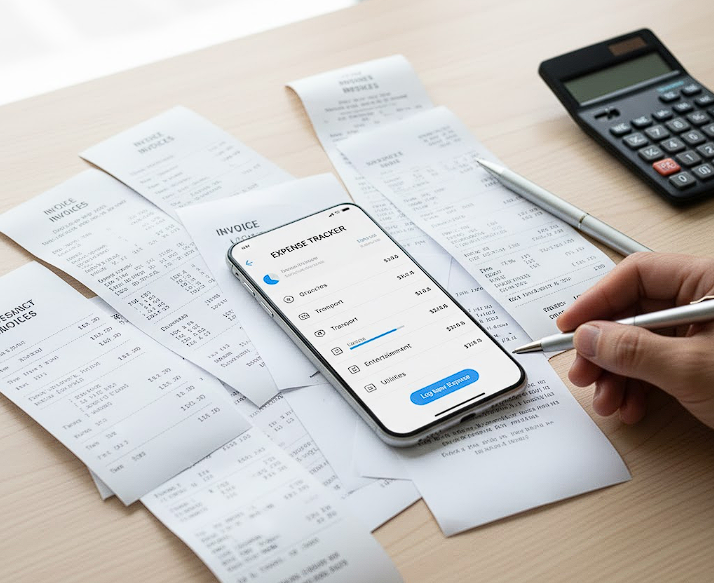
Go Digital: Use free apps (like Mint, YNAB, or even a simple spreadsheet) to automatically categorize transactions.
Don't Judge: This is a data-gathering phase, not a judgment phase. Track credit card swipes, cash payments, and small impulse buys. Include every coffee and streaming subscription.
Identify the "Money Leaks": After 30 days, review the categories. Where is the most money going? This reveals your current spending habits and areas where you can realistically save money.
Step 2: Define Your Financial "Why" (The Motivation Engine)
A budget without a purpose is a budget destined to fail. For a budget to actually work, you need powerful motivation.
Short-Term Goals: Focus on achievable wins, especially on a low income. Examples: Building a $1,000 emergency fund Emergency Fund: Why You Need It and How to Build One Step by Step, paying off a small credit card debt, or saving for a critical car repair.
Long-Term Vision: What does financial freedom mean to you? Paying off your mortgage? Retiring early? Use these visions to fuel your daily budget decisions.
The Power of Zero-Based Budgeting (ZBB) Philosophy: The ZBB principle is: Income - Expenses - Savings = $0. Every dollar has a job. This ensures you are always proactive, rather than reactive, with your funds.
Step 3: Slash the Non-Negotiables (The Expense Audit)
Now that you know your goals, it’s time to categorize your expenses and find immediate savings. We divide expenses into three groups:
Fixed Needs (The Non-Negotiables): Rent/Mortgage, minimum debt payments, insurance. These are often hard to change quickly.
Variable Needs (The Flexible Essentials): Groceries, utilities, gas. These are essential but can be reduced through mindful habits.
Wants (The Non-Essentials): Entertainment, eating out, high-end clothes. This is where most of your cuts will be made.
Actionable Steps for a Low Income:
Negotiate: Call your internet/cable/phone providers and ask for a better rate or threaten to switch.
Reduce Food Costs: The number one money leak. Meal plan, buy in bulk, and strictly limit eating out.
Debt Focus: Use the "Debt Snowball" or "Debt Avalanche" method to gain momentum in your goal to get out of debt How to Get Out of Debt and Start Building Real Wealth.
Step 4: Choose a Budgeting Method That Fits Your Life
No single budgeting system works for everyone. The best budget is the one you will actually stick to.
The 50/30/20 Rule (The Simple Starting Point): Ideal for beginners who need structure. Allocate 50% of your income to Needs, 30% to Wants, and 20% to Savings/Debt. 50/30/20 Rule Explained: Budgeting Strategy for Smart Money Management.
The Envelope System (Best for Cash/Low Income): Physically divide cash into envelopes for variable categories (Groceries, Entertainment). When the envelope is empty, spending stops. This creates a powerful visual constraint.
The Anti-Budget: If tracking every dollar is overwhelming, simply set up automatic transfers to savings and investments the day you get paid. The rest of the money is yours to spend—this is effective if your "Needs" are already minimal.
Step 5: Review and Adjust (The Secret Ingredient)
A budget is a living document, not a rigid set of rules. This step is the secret to a budget that works long-term.
Weekly Check-ins: Spend 15 minutes reviewing your spending. Did you overspend on groceries? Then you need to pull money from your "Wants" category to balance the zero-based budget.
Quarterly Audit: Review your entire system. Did your income change? Did you finish paying a debt? Adjust your percentages and categories to reflect your new reality and keep your goals fresh.
Integrate Earning More: If your budget is simply too tight, even after cutting all wants, the solution is increasing your income. Explore side hustles to create more room in your budget 10 Side Hustles You Can Start Today to Boost Your Income.
💡 From Stress to Strategy: Making Your Budget Work
Learning how to build a budget that actually works is the foundational skill of personal finance. It empowers you to take control, ensuring your money serves your goals, rather than the other way around. Remember, every major financial goal—from building an emergency fund to investing for passive income—begins with a clear, functional budget. Start today, stick to the 5-step system, and redefine your financial future, even with a low income.
Contact us
Reach out for questions or support
Phone
journeytomillion07@gmail.com
+55 11 98828-7504
© 2025. All rights reserved.

